James City County Deed Records and Instruments
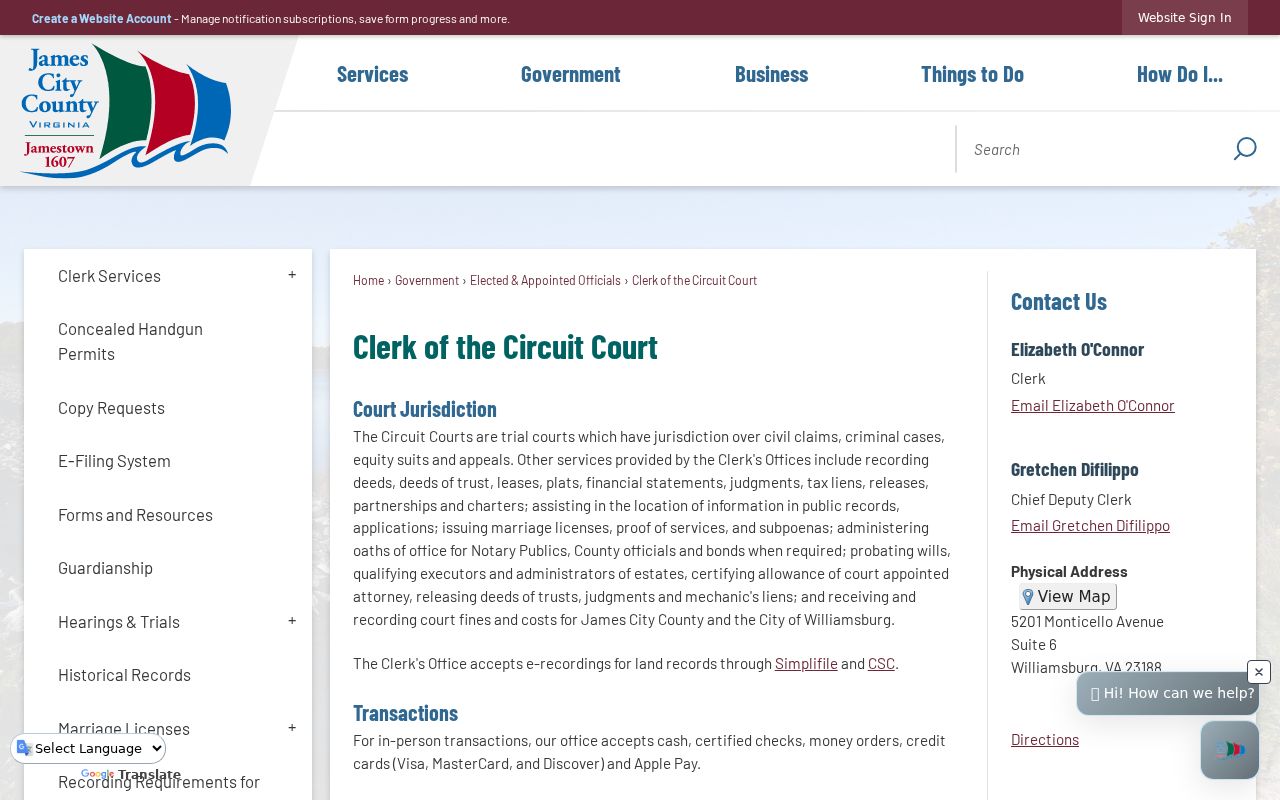
Deeds are only the start. The Clerk's land-record index also holds deeds of trust, leases, plats, judgments, tax liens, releases, mechanic's liens, financing statements, partnerships, and charters. So James City County deed records form a broad land trail rather than a simple list of sales. Each instrument plays its own part. A deed records a conveyance. A deed of trust records a secured interest. A release shows an earlier recorded claim was discharged. Read any document together with its parties, date, and legal description.
| Deed Type | What It Does | Common Use |
|---|---|---|
| Deed | Records a transfer of an interest in land | Confirm the grantor, grantee, date, and description |
| Deed of trust | Records a security instrument tied to land | Look for a later release or related filing |
| Release | Records discharge of a prior instrument or claim | Match parties and reference to the earlier record |
| Plat | Maps lots, roads, bearings, and easements | Compare book/page or instrument references |
| Judgment or lien | Records a claim that may affect property | Read the associated filing and later release |
Do not treat a deed and a deed of trust as the same thing. One documents a transfer. The other belongs to the secured-credit side of the record. A lien or judgment is a claim, not a deed conveying the parcel, so search related filings before drawing a conclusion from a single document. County deed records can show a transfer date and the source of title, while the Clerk's official copy carries the recorded language itself.
James City County Land Records Since 1854
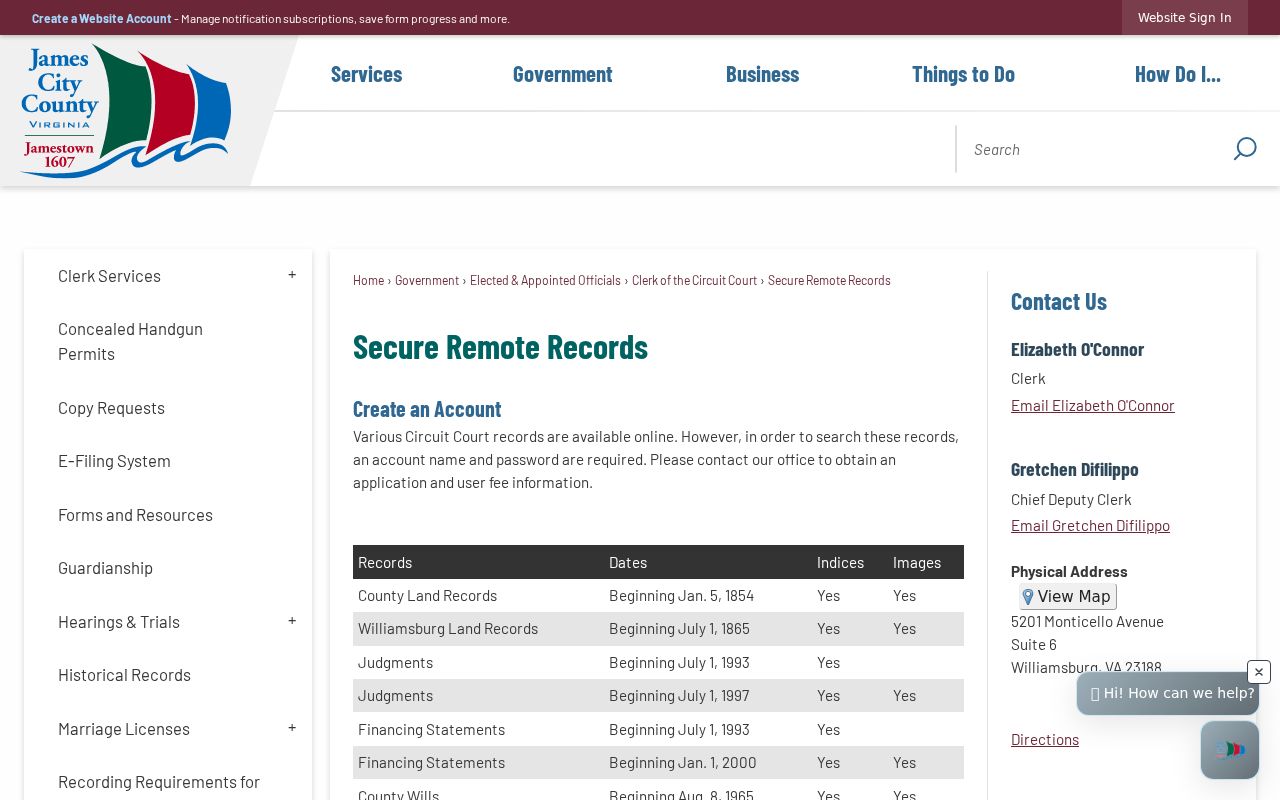
The joint Clerk's remote land-record series starts January 5, 1854 for James City County. Williamsburg's records begin July 1, 1865. Both dates matter. One courthouse serves both jurisdictions, yet a Williamsburg address is not necessarily a county parcel. Later coverage landmarks mark the county's digital trail: judgments are indexed from July 1, 1993 with images from July 1, 1997, and financing statements are indexed from July 1, 1993 with images from January 1, 2000.
Wills enter the series at different points too. County wills appear from August 8, 1965. Williamsburg wills begin November 12, 1857. These dates describe remote-system coverage, not the full age of local records. Earlier deeds may still exist in deed books, at the courthouse, on state microfilm, or at the Library of Virginia. The Clerk's coverage and access page is the right place to check before paying for a remote account.
| Series | James City County | Williamsburg |
|---|---|---|
| Land records | Jan. 5, 1854 onward | July 1, 1865 onward |
| Judgments | Index July 1, 1993; images July 1, 1997 | Same remote series distinction |
| Financing statements | Index July 1, 1993; images Jan. 1, 2000 | Separate jurisdiction records |
| Wills | Aug. 8, 1965 onward | Nov. 12, 1857 onward |
Read the Secure Remote Records coverage and terms before starting a deed search.
Search the James City County Party Index
The land-record search follows parties and recorded document references. A grantor conveys an interest. A grantee receives it. If the current owner acquired the parcel by deed, that person or entity appears as grantee on the acquisition instrument. Searching the same party as grantor can reveal a later transfer. To move backward, search the prior grantor as grantee and repeat with each source-of-title deed.
The remote access carries conditions. The Clerk's remote page is subscription-based at $150 per user per quarter. It requires approved individual user IDs. The county offers a warning. Remote data may not be the official government record required by law. For a legal matter, ask the Clerk for the official record or a certified copy. Do not rely on the remote index alone.
- Search the current owner as grantee and identify the deed that vested the parcel.
- Read the grantor, legal description, book and page, and instrument number on that deed.
- Search the prior grantor as grantee and compare the parcel description before following the next transfer.
- Continue until remote coverage ends, then use deed books, indexes, or microfilm for earlier records.
- Grantor
- The party shown as transferring an interest in the instrument.
- Grantee
- The party shown as receiving that interest.
- Chain of title
- The ordered set of recorded transfers tied to the parcel.
- Book and page
- A volume and page reference used for a recorded land document.
- Instrument number
- A separate document key used to retrieve a filing or image.
Fields in the Clerk's Deed Search
Common party names call for more than one index field. A direct book and page or instrument number can be more precise. It beats a broad name search for precision. Search labels and parcel fields vary by the live system. Work from the Clerk's own search page. When an older reference or index result is unclear, the Clerk can help.
| Search Key | Purpose | Research Note |
|---|---|---|
| Grantor or party name | Find a transferor or other indexed party | Test punctuation and name variants |
| Grantee name | Find the party receiving title | Useful for following a purchase backward |
| Recording date range | Narrow a name result to a time period | Separate same-name filings by date |
| Book and page | Open a known historic reference | Use the Clerk's recorded citation |
| Instrument number | Retrieve a specific document | Direct key when printed on a deed or plat |
Requesting a James City County Deed Copy
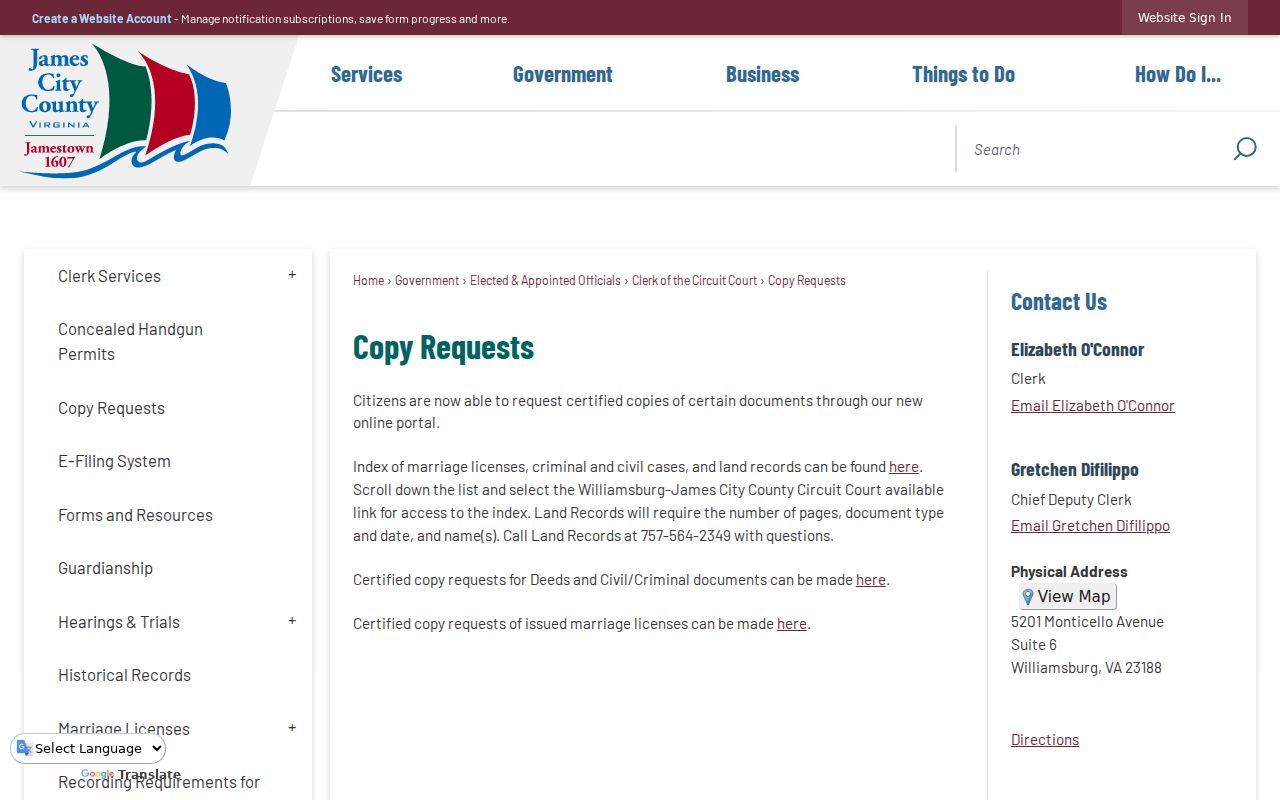
The Clerk handles certified copies of deeds through an online portal. Civil and criminal copy requests go through it too. A land-record request should state the number of pages. It should also give the document type and date. Include the names on the record. For questions, Land Records lists 757-564-2349. Payments at the courthouse counter can be made by cash, certified check, or money order. Card and Apple Pay work as well. The copy-request pages do not state an exact per-page or certification charge. Ask for the current fee before ordering.
The county's copy-request form is a request channel. The original instrument stays with the Clerk. In-person access is the fallback. Use it when an online image is missing or a reference needs a human eye. Plan any counter visit before 4 p.m., when the records room closes to the public. Use the Circuit Court Clerk copy-request service to request a certified document.
Recorded, not guaranteed. James City County deed records show instruments in the land-record system. They are not a title opinion, and a remote index is not a certified copy. Confirm an important filing with the Clerk and use a title professional for a title question.
James City County Clerk Access
The land-record counter sits inside the Circuit Court Clerk's office at 5201 Monticello Avenue, Suite 6, Williamsburg, Virginia 23188. Counter hours run Monday through Friday, 8:30 a.m. to 4 p.m. The record room closes at 4. That room is the practical fallback when an online image is missing or a legal description needs an interpreter.
The Clerk keeps county and Williamsburg records in separate series. Name the jurisdiction, parties, parcel, and date range. Visits do not always work out, so ask about the online copy request and whether one reference is enough to pull the document. The office takes several payment forms in person. The Clerk publishes no mail-request procedure. No current copy-fee schedule appears either. The Circuit Court Clerk's office page lists land-record responsibilities and public contact details.
James City County Plats and Deed Descriptions
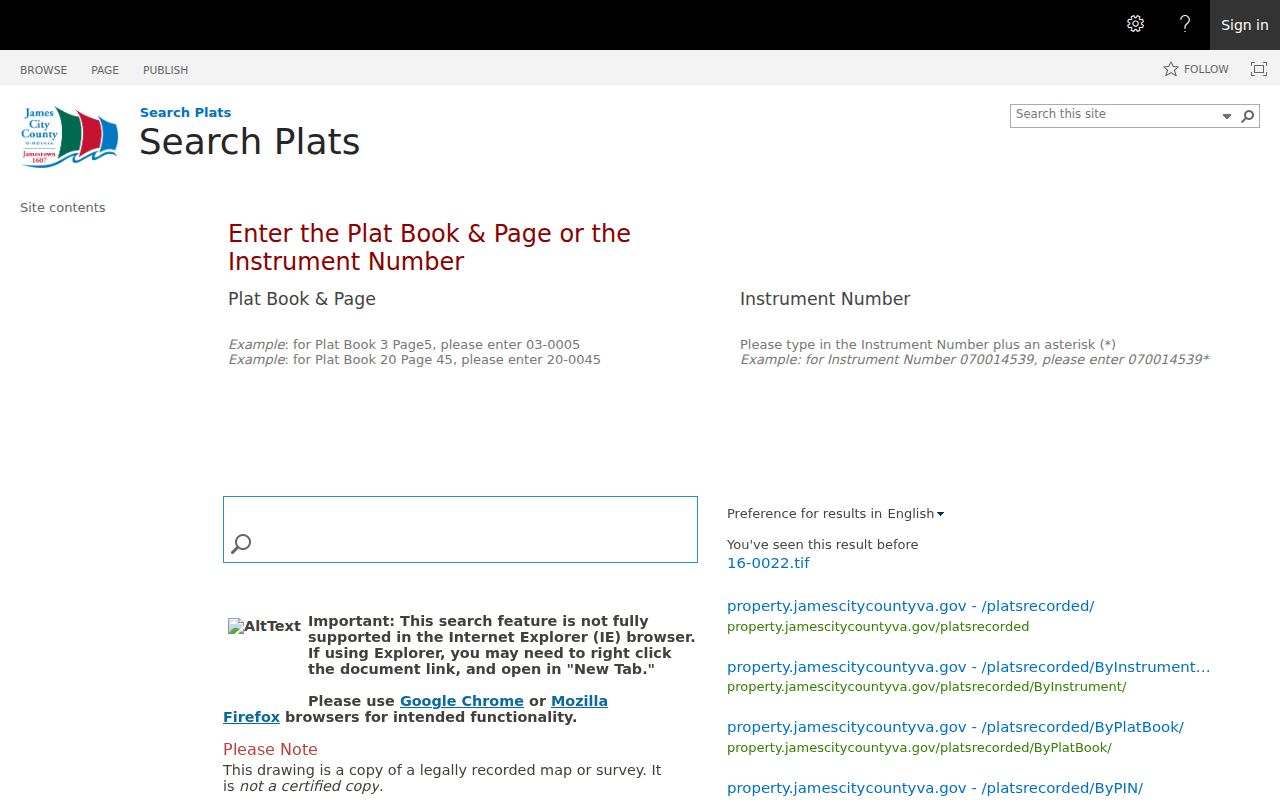
A plat explains what an address cannot, showing lot numbers, roads, bearings, distances, and easements on one recorded map. The county's Recorded Plat Search takes a Plat Book and Page or an instrument number. Other reference types work too. The directory offers ByPlatBook, ByInstrument, ByPIN, and ByDeed paths. The 1960 Chickahominy Haven Section 3-A map near Toano shows why this matters. Its lots and drainage easements tie to Deed Book 75/Page 195 and Plat Book 18/Page 18.
An online plat image is only a copy. Certification comes from the Clerk at the courthouse. Search the recorded plat directory by book/page or instrument number. Plats help interpret the title record. They cannot replace a boundary survey or prove a recorded line matches the ground.
VADeed Alert for New Filings
VADeed Alert enrollment is free through the joint Clerk. The service launched in March 2026. Subscribers get an email when a recorded document matches their name or Tax Map/Parcel ID. Spelling matters. The Clerk recommends trying variants like O'Brien versus O Brien, or Smith-Jones versus Smith Jones. An alert signals possible recorded activity, not proof of a fraudulent transfer.
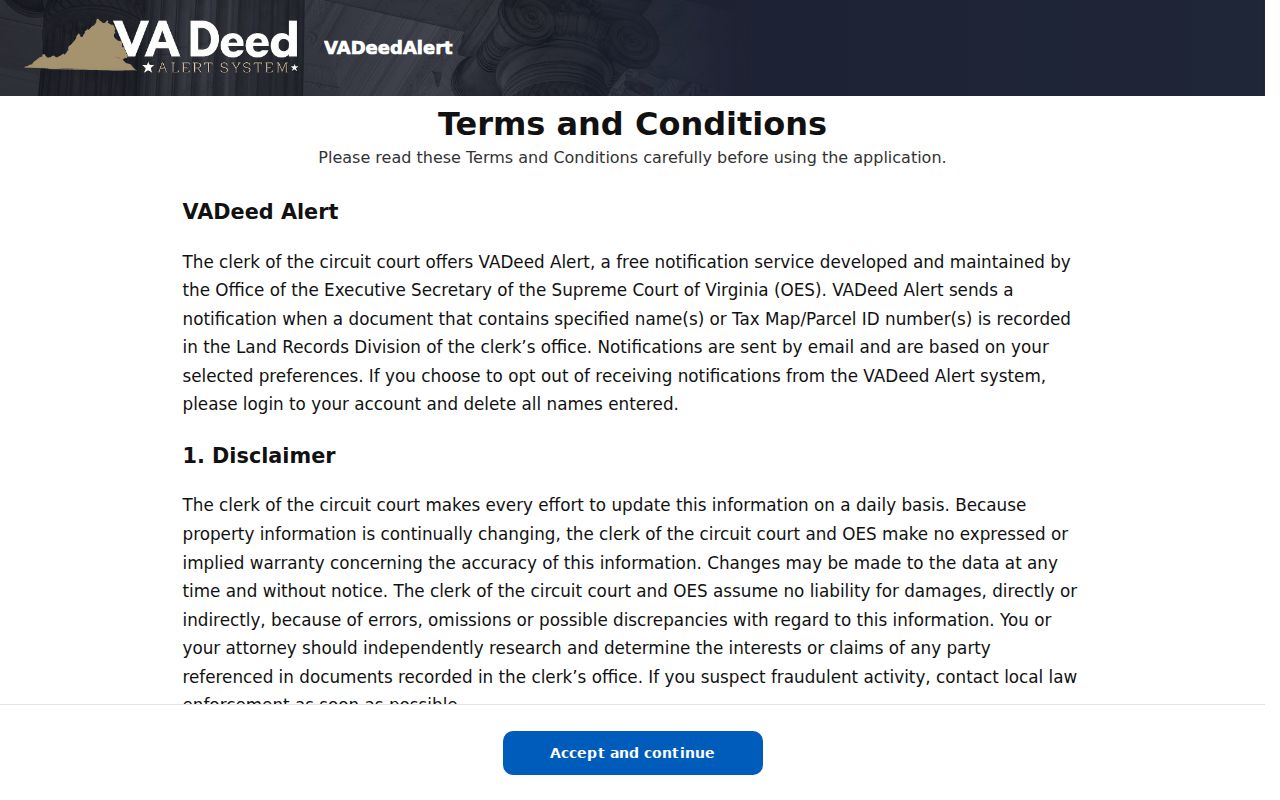
When one arrives, inspect the instrument and compare the name, parcel key, and document type. Call the Clerk at 757-564-2349 with concerns. The service helps an owner spot a new entry. It does not stop a deed from being filed, certify ownership, or replace title advice. Use the VADeed Alert signup screen for enrollment details.